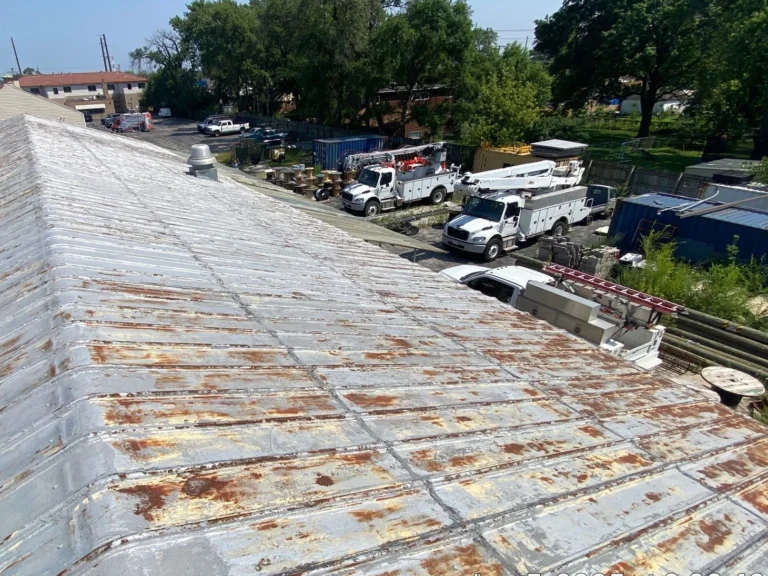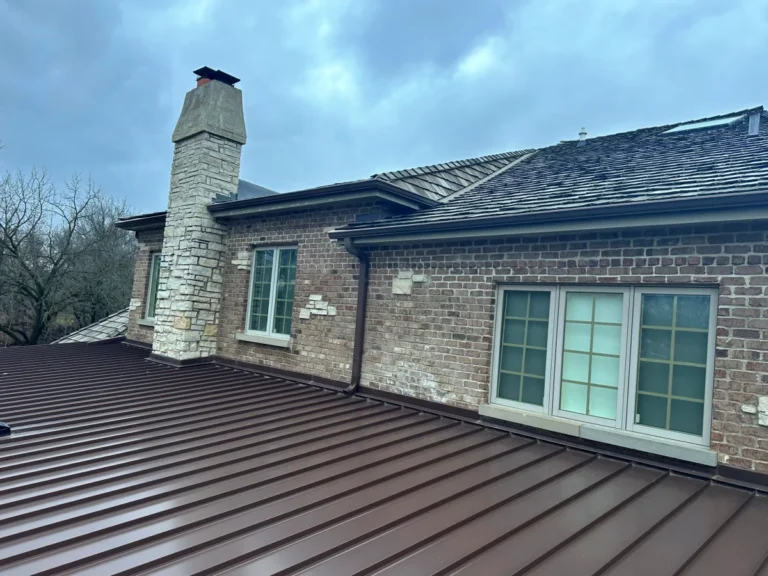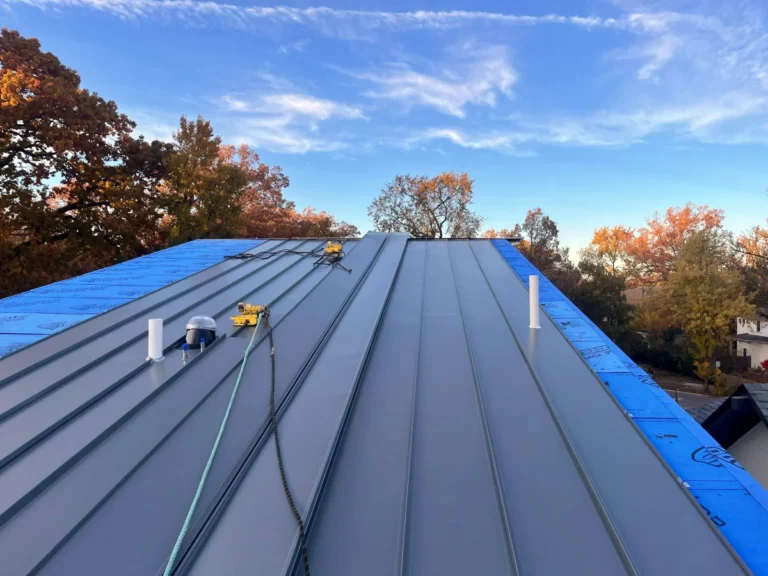

A metal roof is exposed to significantly greater thermal stress than traditional roof coverings, which directly affects how the entire system performs. For this reason, the durability of modern roof systems depends not only on the panels themselves but also on the layers installed directly beneath them. In the case of a metal roof, a standard underlayment is often not designed to withstand prolonged heat exposure. So-called HT underlayment therefore plays a critical role by stabilizing the roof structure and reducing the long-term effects of metal expansion and contraction.
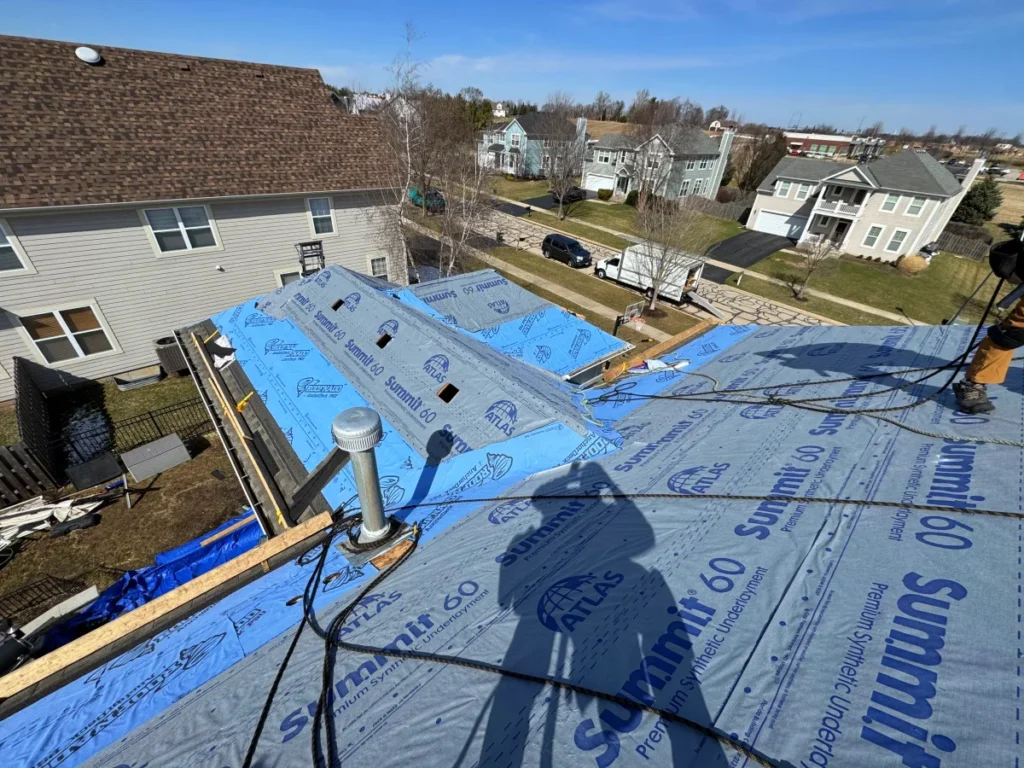
Even though “High-temperature” mark does not inform about any sort of standards or capabilities of the membrane it indicates that the membrane is designated to withstand harsh conditions and, as a rule, is designed to be installed under the metal roof.
Since 2003, we have seen both self-adhered and non-adhesive high-temperature membranes. Although self-adhered ones are more popular now, some “standard” synthetic underlayments are able to be used under sheet metal roofing, and such product aren’t self-adhered for sure.
It’s worth mentioning, that ice & water shield is also much more expensive – even up to 5 times compared to HT underlayment. It’s also heavier, thicker and sold in smaller quantities, such as 2SQ rolls instead of 10SQ.
In a metal roofing systems, the greatest stress does not affect the roof covering itself – the panels – but the layers installed directly beneath them. This is where heat released by the heated metal accumulates, along with the effects of constant movement caused by thermal expansion and contraction.
Every day, metal roof panels expand when the temperature rises and shrink what it falls. Therefore, every seam, even the best one, tends to leak after some time. On the other hand, contrary to cedar shakes or synthetic roofing, sheet metal roofing gets really hot sometimes, exceeding even 160°F.
Standard synthetic underlayment is not designed to operate in such a harsh conditions – normally used roofing membranes simply don’t need to be so durable, because they don’t need to. However, if you opt for metal roofing, you need to be aware that using a high-temperature roof underlayment isn’t an option – it’s a must.
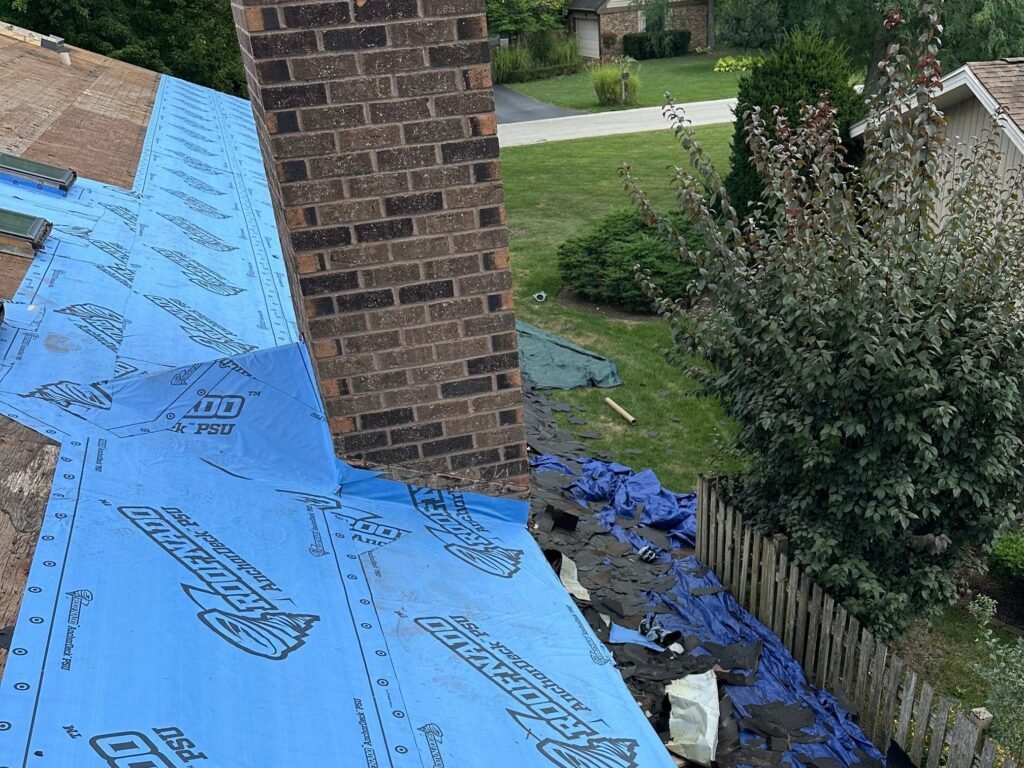
A standard underlayment is intended primarily as a secondary layer of protection – contrary to Ice & Water shield, synthetic roofing membranes are unable to withstand constant water exposure. Under typical conditions, this layer rests directly on the roof deck and has only intermittent contact with moisture. Its function assumes limited exposure to stress and relatively stable conditions.
With sheet metal roofing, however, the situation is different. The underlayment remains exposed to more demanding conditions for extended periods. Metal heats up quickly, releases heat slowly, and moves continuously due to temperature changes. This ongoing cycle creates sustained stress on the underlayment, far beyond what conventional materials are designed to handle.
That is why traditional solutions commonly referred to as roof underlayment are not engineered for long-term thermal loading. In other roofing applications, such as asphalt roofing, their role assumes far less demanding conditions, making them unsuitable for this type of application.
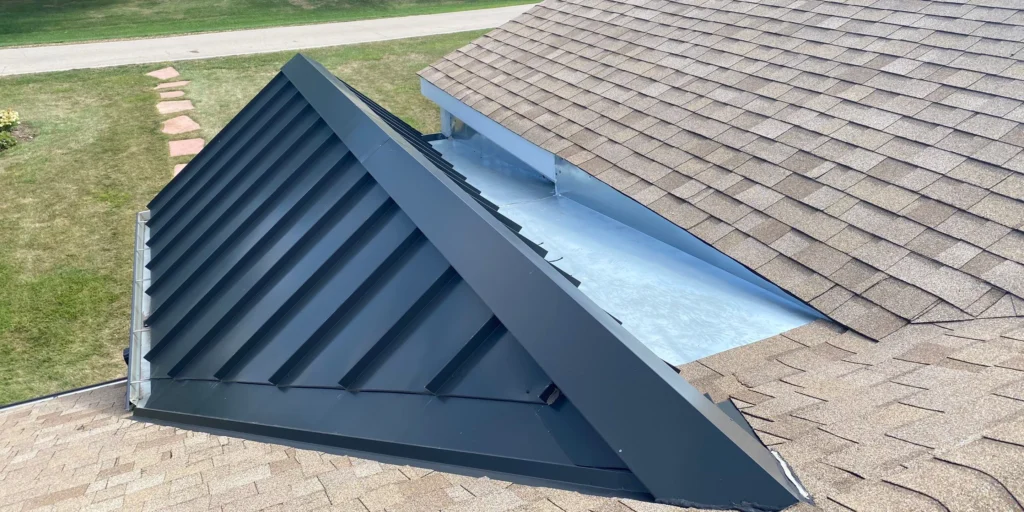
First of all, high-temperature underlayment tends to be better in terms of water insulation, as it resembles an Ice&Water shield partially. Due to its soft structure, this self-adhered membrane seals any holes in the plywood, so the risk of water infiltration is reduced visibly.
Although it depends on a manufacturing technology, as a rule, cheap residential underlayment may smell badly when heated. The specific, asphalt smell of bitumen felt becomes easily recognized when the temperature rises above 200°F. High-temp underlayment is prone to this phenomenon.
As a sheet metal roofing vendor we had a chance to test most of the popular ht membranes. Even though we don’t want to call any specific brand as the best, we can admit that if you choose one of the products listed below, you will be satisfied with it:

(847)-947-6797