Kynar 500® is one of the best-known names in architectural metal coatings, but the name is frequently misunderstood or misused. Surprisingly, some people use it as a general term for the entire class of high-performance sheet metal finishes. However, Kynar 500® is a licensed, high-tech coating known for outperforming many competing products.
In this article, we will explain what exactly Kynar 500® is, how it differs from other PVDF coatings, and when it is worth paying extra for this brand.

Kynar 500® is a registered trademark for a high-performance 70% polyvinylidene fluoride (PVDF) resin manufactured by Arkema Inc. PVDF is a type of fluoropolymer, a class of plastics known for its excellent resistance to solvents, acids, and bases. In simple terms, Kynar 500® is a resin-based coating used to protect steel and aluminum sheets. As a result, it significantly improves corrosion resistance while also providing an attractive, long-lasting finish.
Kynar 500® is not a paint you can buy, nor is it a color or a group of coatings. It is a special finish available as an option from sheet metal manufacturers. This type of protective coating can be applied to metal only at the manufacturing stage, which is why only a limited number of steel and aluminum coil producers use this type of PVDF coating.
Kynar 500® is not the only PVDF coating available on the market. Other brands, such as Hylar 5000® or Durapon 70®, are generally similar, but not identical. Even though virtually every PVDF coating offers at least a solid level of protection, the high concentration of PVDF resin, at least 70% of the total resin system, makes branded PVDF coatings some of the most advanced solutions available.
What makes 70% PVDF coatings so special is their chemical structure. Since polyvinylidene fluoride consists of carbon and fluorine atoms, its particles are strongly bonded. Breaking these bonds requires a lot of energy, which is why scratching or sanding Kynar 500® is much more difficult than removing a layer of zinc or regular paint. As you may assume, the higher the PVDF content, the stronger the coating. However, due to technical limitations, exceeding 70% usually results in worse performance, mainly because of insufficient adhesion of the pigments.
Is Kynar 500® better or worse than Hylar 5000®? It is difficult to assess that clearly. Since, chemically speaking, both coatings are similar (yet not the same), the real differences are availability, pricing, warranty policy, and brand recognition.
As we stated before, every Kynar 500® coating is made with PVDF resin, but not every PVDF coating is Kynar 500®. Also, not every PVDF coating contains as much as 70% PVDF resin. PPG ACRYNAR®, for example, contains 50% polyvinylidene fluoride. Ultimately, the PVDF concentration determines many of the coating’s properties, including its resistance to chalking and UV exposure, gloss retention, scratch resistance, and color fade resistance.
As a result, there is no universal coating, just as there is no single best or worst option. While PPG ACRYNAR® may not offer the same level of weather resistance as Kynar 500®, it may actually be a better choice for interior applications.
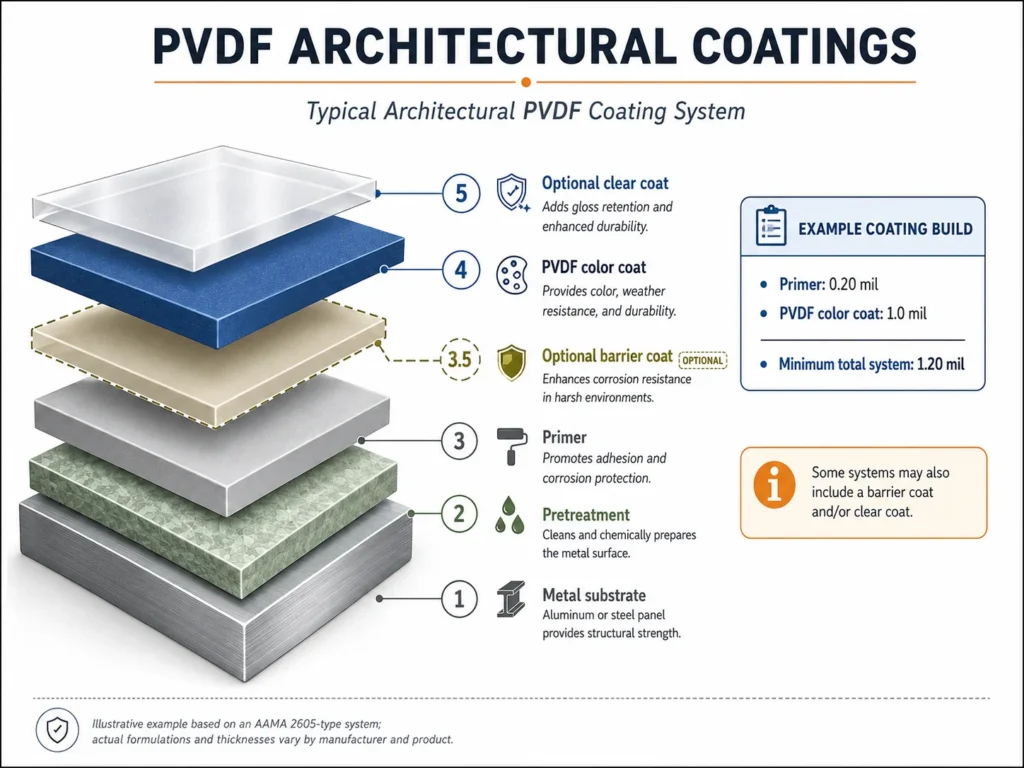
One of the key features of Kynar 500® PVDF coating is the way how it’s manufactured. The systems consists not only of colorful pigment painted on sheet of metal. In fact, it’s much more complex – especially when it’s done by Arkema.
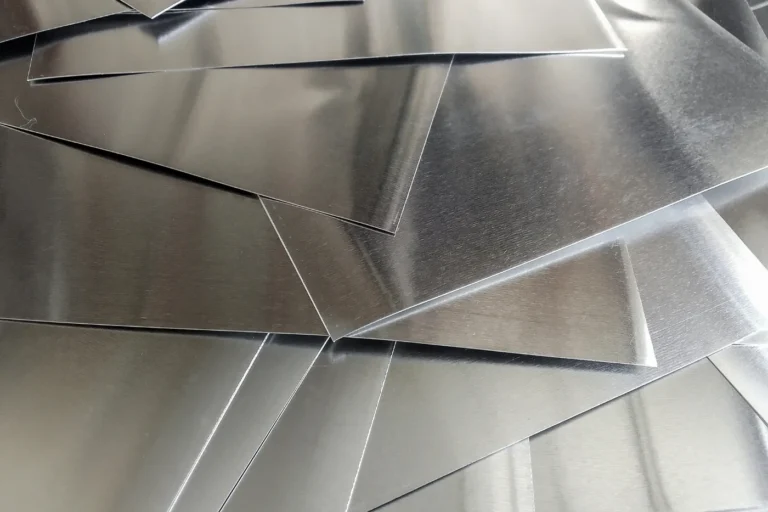
The base of every PVDF system is always a metal substrate (aluminum or steel panel). In 2026, the vast majority of PVDF-coated sheets are made of 24 GA Galvalume or 0.032″ aluminum. To compare with, widely available, machine-produced flashings in popular building stores are made of 26 GA steel or 0.016″ aluminum.
Before painting, metal panels need to be pretreated. Technically speaking, it’s a process of cleaning the metal out of any contaminations, such as production leftovers or dust. After that, metal is covered with very thin layer of chemicals to improve the bond between metal and primer. This layer improves the primer adhesion, reduces the risk of corrosion and smoothens the surface of metal.
After pretreating, the process of priming starts. Primers are used mainly to adhere PVDF pigments to steel or aluminum sheet. These substances work quite similar to pretreatments, but they are more adhesion-oriented, and their anti-corrosive properties are less crucial. Standard thickness of primer for Kynar 500® PVDF coatings is 0.20 mil.
Then, after pretreating and priming, sheets are covered with color coating. This 1.0 mil thick layer makes up for a color, resistance to fading and chalking, gloss retention, UV absorbtion and overall appearance of Kynar 500®-coated sheet.
Usually, sheet is finished with clear coat. This thin layer is added to preserve metalic effects on premium-grade color variations, improve overall durability of coating and to deepen the color. In our opinion, clear coating usually makes sheet much more appealing, although it increases the cost undoubtedly.
Kynar 500®, like many other PVDF coatings, is available in a wide range of colors. Even better, it is also possible to order a custom color, although this typically requires meeting a minimum order quantity, usually over 10,000 sq ft of sheet metal.
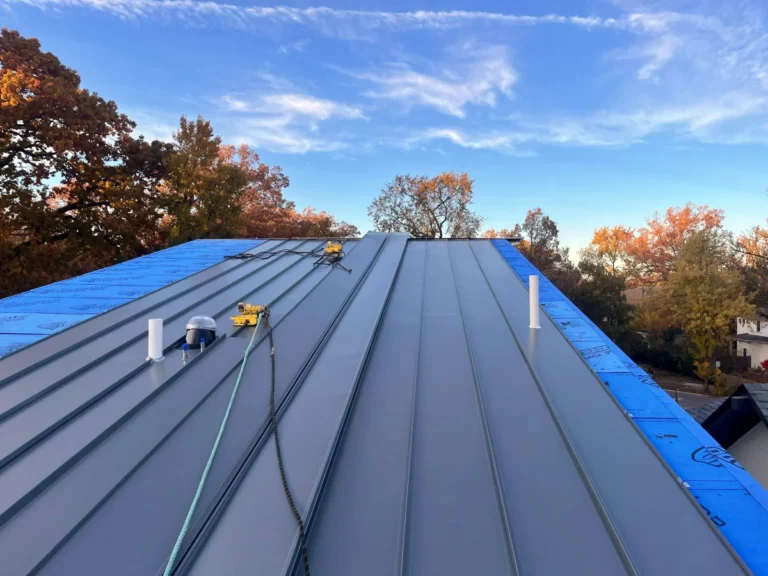
In practice, you can choose from more than 300 colors and finishes, ranging from Arctic White to Oxidized Copper and Coal Black. The available color palette depends on the sheet metal manufacturer. Some suppliers offer only a limited selection at more competitive prices, while others provide hundreds of color options but at a higher cost.
Kynar 500® coatings are known for their outstanding durability. The fluoropolymer resin provides excellent resistance to UV radiation, chalking, fading, oxidation, and abrasion. It is worth noting, however, that this is not a unique property of this particular brand. Competing coatings, such as Hylar 5000®, offer similar advantages.
What makes Kynar 500® special is its repeatability and brand recognition. Arkema Inc. has been manufacturing Kynar 500® for over 61 years. During that time, this coating has proven how reliable and long-lasting it is. Over the years, hundreds of Glenview general contractors and exterior contractors in Glenview and the Chicago area have tested these coatings in various conditions and projects. If people continue using the same technology for over six decades, it usually means one thing: it is really good.
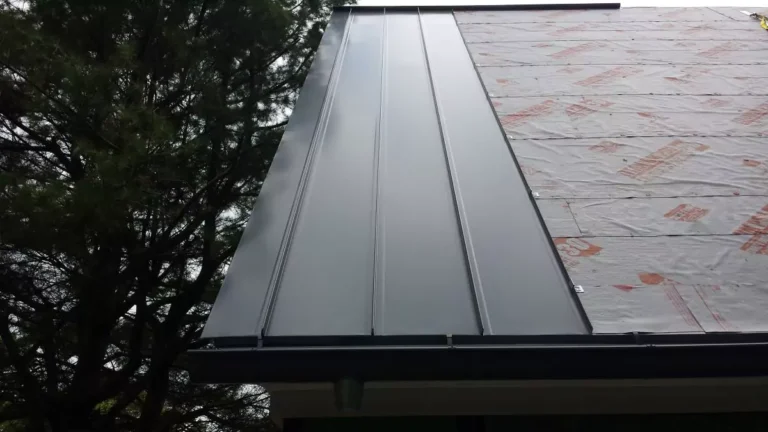
Based on our experience, we can say that even after 20 years, most flashings made of Kynar-coated steel still look excellent and do not rust. We obviously do not know whether we will be able to say the same 20 years from now, but based on what we see today, the quality of these sheets is superior.

Analyzing this aspect is always challenging, because at the purchase stage, buyer is unable to assess the real environmental footprint of roof or flashing they buy. Simply put, Kynar 500® is a low-maintenance and long-lasting coating which makes it sensible in matter of environmental friendliness, but at the same time, manufacturing process of PVDF involves emission of significant portion of carbon dioxide, methane and other greenhouse gases.
It’s also worth noting that even though steel and aluminum are perfectly recyclable in the U.S., coatings, such as Kynar 500® are not. The presence of thin layer of resin does not make this metal non-recyclable, but the coating itself is unable to be used anymore.
As result, Kynar 500® is environmentally-responsible choice as long as it’s used long and responsibly. However, if environmental friendliness is your priority, copper roofing is probably the better choice for you.
To begin with, let’s make one thing clear: Kynar 500® does not guarantee identical performance or durability for every color. Performance can vary significantly depending on factors such as the color, substrate thickness, and level of sun exposure.
Kynar 500® also does not determine the manufacturer’s warranty. Although the coating itself may be covered by a warranty, the sheet metal manufacturer’s material and finish warranty is just as important.
Finally, the Kynar 500® brand does not indicate the metal thickness, alloy, or coating type (galvanized or Galvalume®). It also provides no information about the primer system or other specifications of the material used to manufacture the flashing.
The American Architectural Manufacturers Association (AAMA) sets standards for coatings used in architectural applications. Kynar 500® coatings applied on aluminum meet or exceed the requirements of AAMA 2605 – the highest performance standard, requiring coatings to maintain color and gloss, resist chalking and withstand weathering for at least ten years. Even though it doesn’t mean that sheet metals coated with 70%-PVDF resin-based coating are guaranteed to withstand 10 years of harsh conditions, it basically means that Kynar 500® passes rigorous environmental exposure tests. It just proves a real durability of this product.
Also galvalume sheets covered with Kynar 500® are considered well protected – it’s proven by AAMA 621, which means the similar standard of durability
Buildings utilizing Kynar 500®-coated materials can contribute to Leadership in Energy and Environmental Design (LEED) credits, particularly in categories related to sustainable sites and energy efficiency.

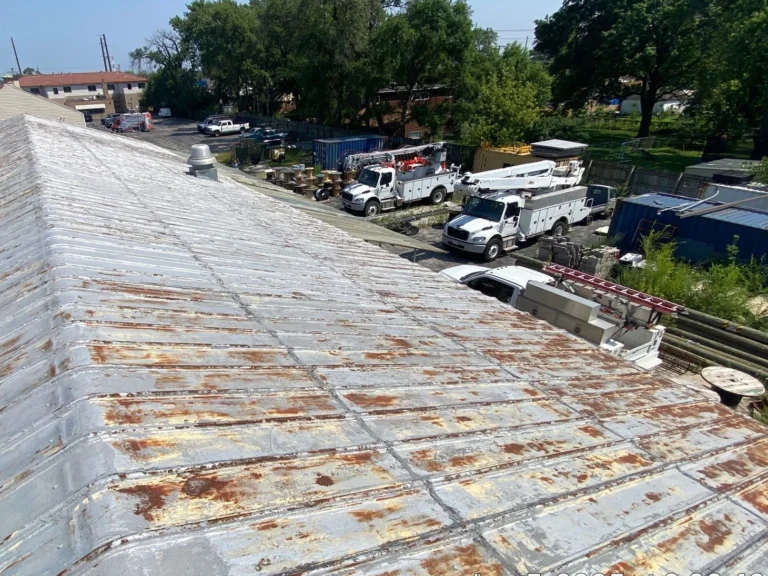
Let’s be realistic – Kynar 500® is not always the best option for your project. Since this coating increases the sheet price dramatically, it’s worth using it when an extra cost is justified by PVDF’s advantages.
Over the decade, we formulated a simple test. If the answer for more than two questions is positive, choosing top-notch coating makes sense. So:
If at least two answers are positive, Kynar 500® makes any chance. Otherwise, you will probably consider cheaper options as more reasonable.

Kynar 500 is best understood as a branded PVDF resin used in licensed architectural coating systems, not as a generic name for paint. Its primary advantage is long-term exterior weatherability, particularly resistance to fading, chalking, and gloss loss.
It is usually worth considering for highly visible roofing and wall systems expected to retain their appearance for decades. Buyers should still verify the substrate, coating system, color-specific warranty, coating manufacturer, and applicable performance standard rather than relying on the Kynar 500 name alone.

(847)-947-6797