Metal roofs are known for their durability, modern appearance, and ability to withstand extreme weather conditions. Yet even the highest-quality metal roofing can begin to rust over time if it isn’t properly installed or maintained. Choosing the right material plays a major role – different roofing types vary in their resistance to moisture, salt, and physical wear. In this article, we’ll explore the most common reasons metal roofs corrode and share practical ways to prevent premature rusting.
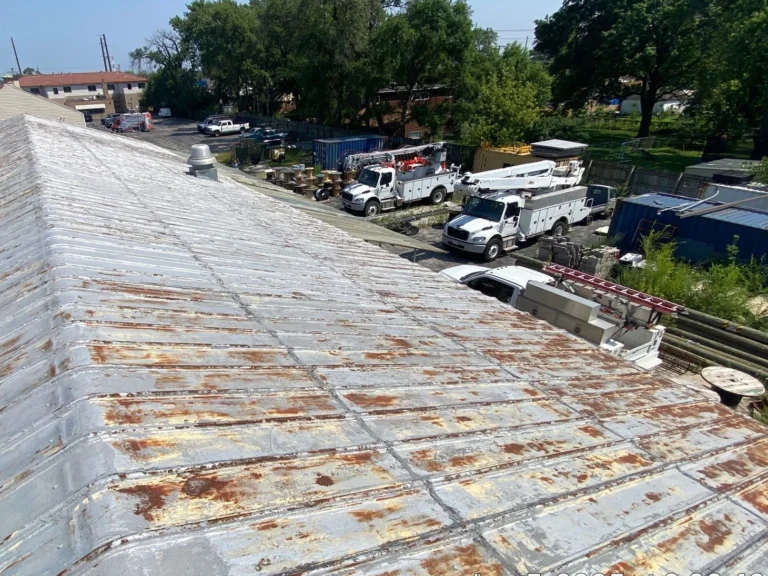
Per NASA, corrosion is a natural chemical degradation process in which metal gradually reacts with oxygen in the air and moisture. By the time, as a result of this phenomenon, uncoated steel gets this specific orange-brownish color, and its structure weakens. Iron oxide and iron oxide-hydroxide, which are in fact a rust, ar much more fragile than the steel itself. As a result, corroded metal roofs are prone to hail, are more likely to leak or to be damaged by the wind.
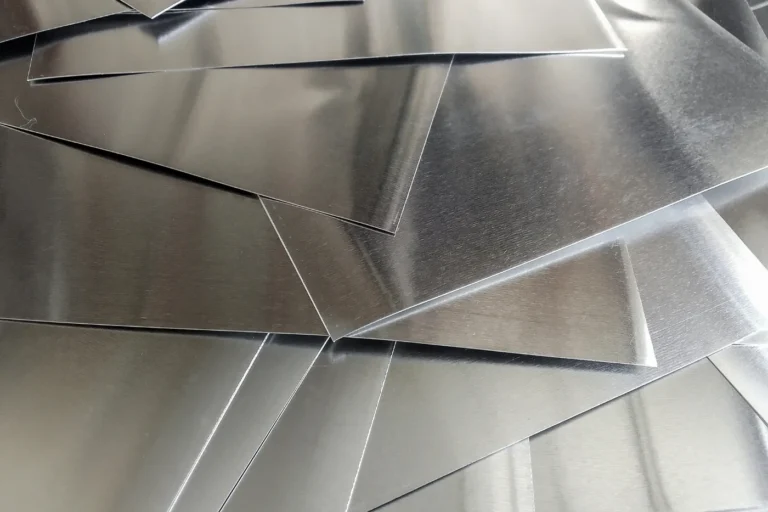
As the process of rusting weakens the structure of the roof, people started to prevent it. This is one of the most important reasons why do the roofs are coated with paints or PVDF coatings such as Kynar 500. Some other people use aluminum instead. While aluminum and its alloys also rust, they tend to develop a thin, protective oxide layer on the sheet surface. Generally speaking, corrosion is not a threat to aluminum roofing.
As a non-professional you can assume, that metals other than iron and its alloys are not prone to rusting. While copper, for example, undeniably gets weaker after being exposed to air and humidity for a long time, problems arise after 50 years or so, not after a few years like in case of unprotected steel roofing.
We have already explained few times that the pace of corrosion process depends undeniably on external factors, such as presence of water, salt and oxygen. However, rusting can by accelerated by many other factors, such as air pollution or improper maintance. It’s worth to list these threats so we did below.
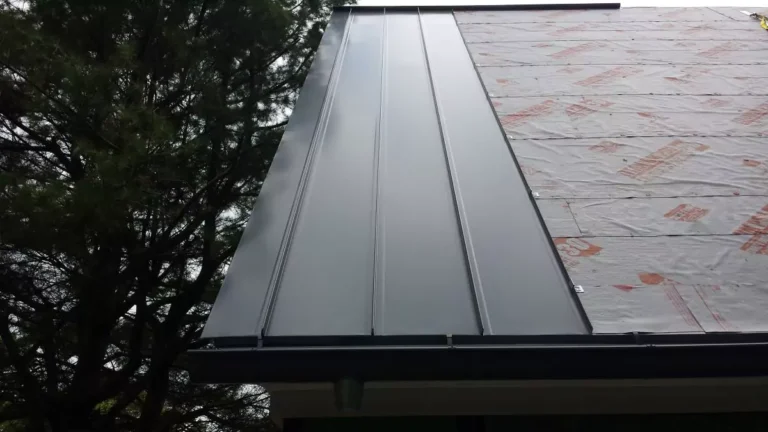
After more than 15 years of producing sheet metal roofs and flashings we can admit, that one of the most important factors is always the quality of the metal coating, whether it’s a paint, resin coating or zinc layer in case of Galvalume. They always play a crucial role in the roof’s longevity.
Some people say, that all you need to do is to buy a premium-grade, expensive coating, such as Kynar or Fluoropron. In fact, even the best paint won’t be effective, if at the stage of flashing manufacturing it will be damaged by the bender. Therefore, the material quality derives not only from who made the sheets and painted them, but also who bended them. Do we need to remind you that unexperienced sheet metal suppliers work with an outdated machines and don’t store their sheets properly?
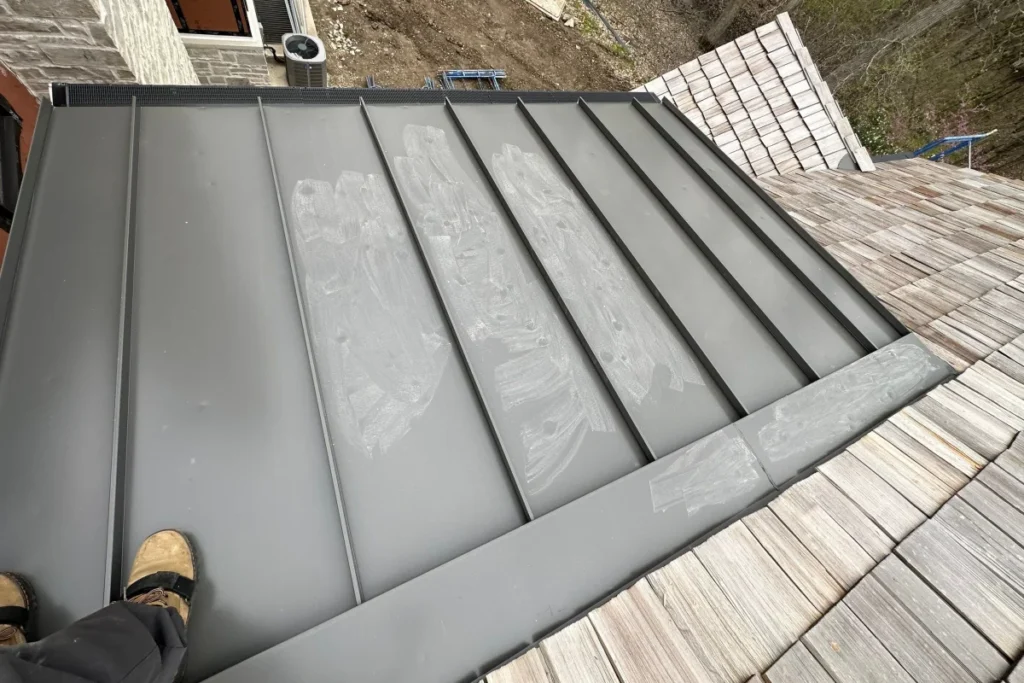
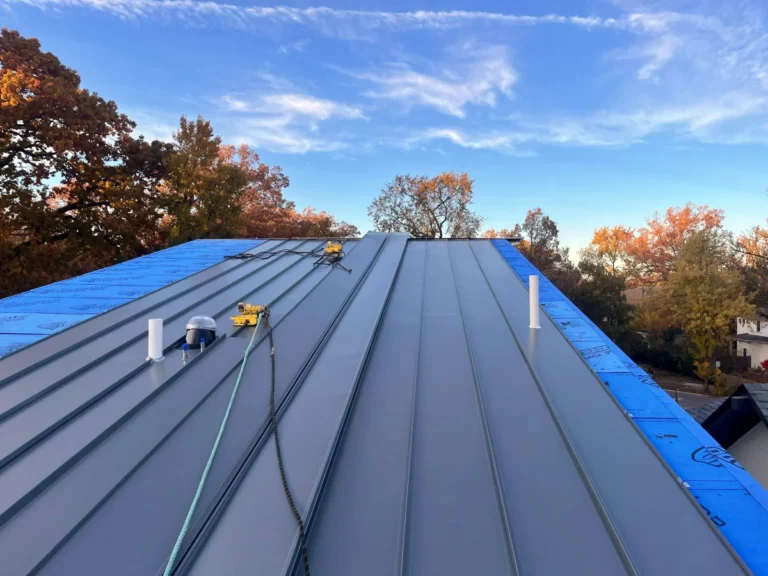
Roof panels can easily get scratched or damaged during installation — for example, when cut with a grinder or when screws are overtightened. Once the protective coating is breached, moisture can reach the metal surface, causing rapid rusting. Regular roof inspections and maintenance help identify and repair minor corrosion spots before they become serious issues.
Installing metal roofing systems is challenging and demanding process. Therefore, the labor cost in such projects is usually noticeably higher than for asphalt shingles – often up to $300 per square of the roof.
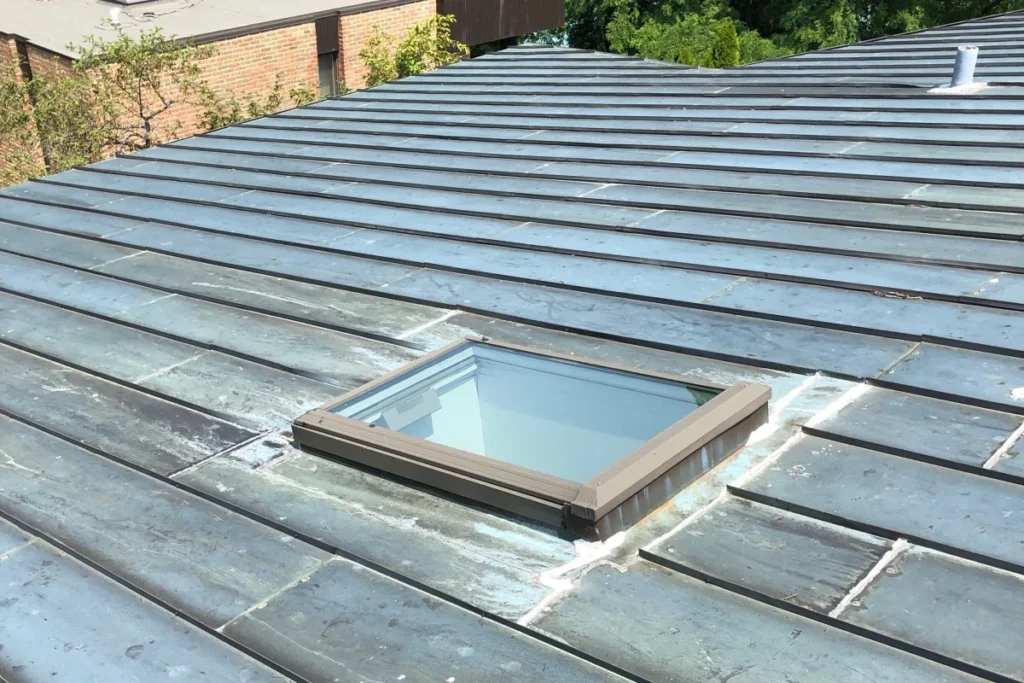
Another common cause of damage is galvanic corrosion, which occurs when dissimilar metals, such as steel and copperor aluminum, come into direct contact. The difference in electrical potential between these metals accelerates the corrosion process. To prevent this, installers should always use proper separators or insulation between different metal types. The other option is to use only one time of metal, but it usually ends up with use of aluminum, which is less affordable option.
Even the most durable metal roofs can corrode if water and dirt accumulate on their surface. Debris, leaves, and grime trap moisture, creating ideal conditions for rust to form. A poorly designed gutter system can worsen the issue by directing water toward vulnerable areas. Regular cleaning of both the roof and gutters is a simple yet effective way to extend the life of your roofing.
On the other hand, cleaning kynar-coated or galvalume steel with a hard brush may damage the protective surface. It’s pretty unlikely to happen, but we have already seen some roofs damaged this way.
If the space beneath the roof isn’t properly ventilated, moisture from inside the building can condense on the underside of the metal panels, leading to internal corrosion. This issue is especially common with low-slope roofs or when vapor barriers are improperly installed.
Homes located near the ocean or in industrial regions are particularly exposed to harsh environmental conditions that speed up corrosion. Salt in the air, acid rain, and industrial pollutants can gradually break down protective coatings. That’s why materials with higher resistance — such as aluminum or zinc — are often recommended. These metals, much like eco-friendly steel roofing options, offer excellent durability and protection against moisture and salt.
Every roof requires routine cleaning and inspection. When dirt, moss, or small damages are left unattended, corrosion accelerates – eventually leading to leaks and structural weakening. Remember, a metal roof is a long-term investment, but its lifespan depends on proper upkeep and quick response to early signs of wear.
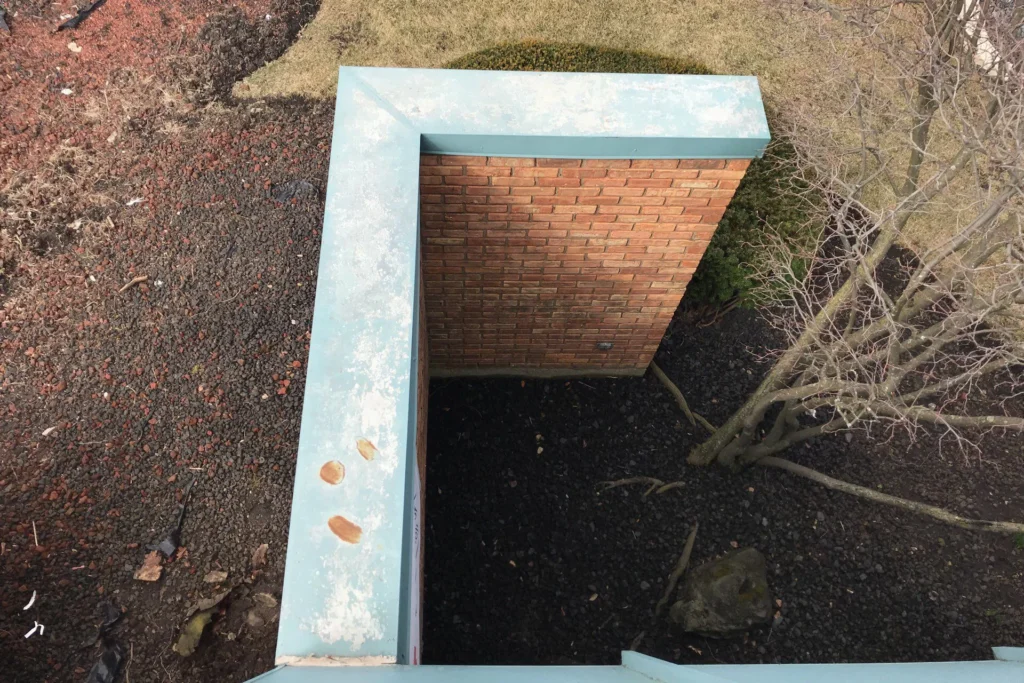
Corrosion rarely occurs overnight – it’s usually a gradual process. The first warning signs are dull discoloration or small rusty-brown spots visible on the surface of the metal, especially around screws and seams. Over time, these spots can turn into blisters beneath the paint or chips in the protective coating, allowing moisture to penetrate deeper into the roof’s structure. You should also watch for water stains or uneven color changes on the panels, as these may indicate the early stages of rust formation.
Regular inspections and proper upkeep of your metal roof help identify these issues before they develop into serious problems. Keep in mind that different types of metal roofing require different maintenance methods – what works for steel may not be suitable for aluminum. Staying proactive with care and cleaning can help you avoid unnecessary expenses, especially those tied to premature roof replacement caused by neglect.
The most effective way to prevent corrosion is through routine maintenance and proactive care. It all starts with choosing the right material and protective coating. Modern roofing products vary in durability, so it’s worth comparing different types of roofing materials and selecting those best suited to your local climate conditions.
Precision and proper tools are crucial during installation. Cutting panels with a grinder or overtightening screws can damage the protective layer and expose the metal to moisture. Regular inspections and cleaning — removing leaves, dust, and moss — help prevent water from accumulating and creating rust-prone areas.
It’s also important to remember that a roof’s longevity depends on the environment it’s exposed to. In coastal regions or areas with high humidity, aluminum roofing often performs better than steel, as it resists salt and moisture more effectively.
Finally, while metal roofs are significantly more durable than traditional asphalt shingles, they still require periodic checkups. Proper maintenance and timely repairs of minor damage can prevent costly renovations and extend the lifespan of the entire roof structure.
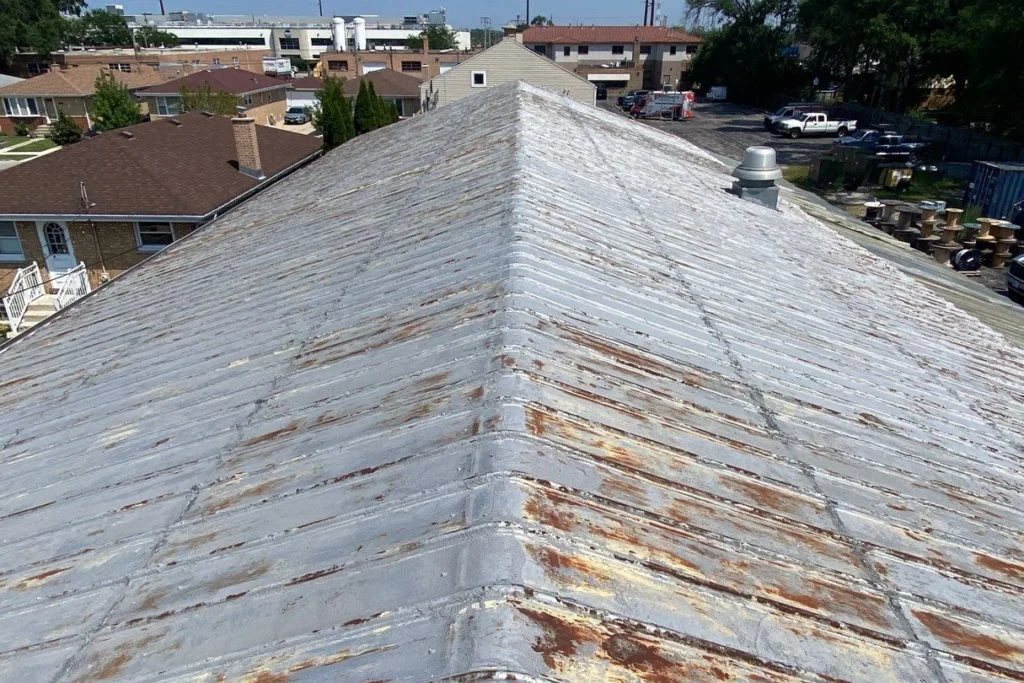
The appearance of rust on a roof doesn’t necessarily mean that the entire structure needs to be replaced. In many cases, a quick response and the right repair steps are enough to stop the problem early. At the first signs of rust, it’s usually sufficient to clean the affected areas, remove debris, degrease the surface, and apply a specialized anti-corrosion treatment. Once dry, you can finish the job with a high-quality metal renovation paint that matches the color and type of the existing coating.
For more advanced damage, where corrosion has penetrated the material, it’s best to contact a professional roofing contractor who can assess the roof’s condition and recommend whether a repair or partial replacement is necessary.
Before hiring someone for the job, make sure the contractor has the right skills and experience. A qualified roofer can suggest the most effective repair methods and help you avoid future issues. It’s a good idea to prepare a few questions to ask your roofing professional before work begins — this will help you gauge their expertise and reliability. You should also know how to choose a reputable roofing company to ensure the repairs are done properly and your roof remains durable for many years.
No, not if it’s properly installed and maintained. Aluminum and zinc roofs are much more resistant to corrosion than steel, and with the right protective coating, their lifespan can extend for several decades.
It’s recommended to perform a full roof inspection at least once a year — ideally in the spring or fall. You should also check your roof after heavy storms or significant snowfall to catch any early signs of damage.
First, locate the source of the leak and assess how extensive it is. Minor leaks can often be sealed on your own, but for larger areas or deeper damage, it’s best to contact an experienced roofing professional who can provide a proper repair.
Yes — paint creates an additional protective barrier that limits the metal’s exposure to moisture and oxygen. However, it’s important to use products specifically designed for the type of metal your roof is made from and to follow the manufacturer’s recommendations for best results.

(847)-947-6797